A New Standard for Real-World Impact

Beyond the Classroom
Cultivating Leadership

Leadership is not synonymous with title. Discover the seven core competencies forged in the room, where it matters most.

Audio Guide

Listen to the Overview

Executive Summary

"

Leadership is not synonymous with title. The best leaders actively balance and constantly hone many diverse skills. A leader is no more than an individual who is committed to growth, striving to be slightly better today than they were yesterday.

"

Core Principle

Core leadership skills are most effectively attained, not in a classroom, but through direct real-world hands-on experience in dynamic and challenging environments.

System Architecture

The Seven Core Competencies

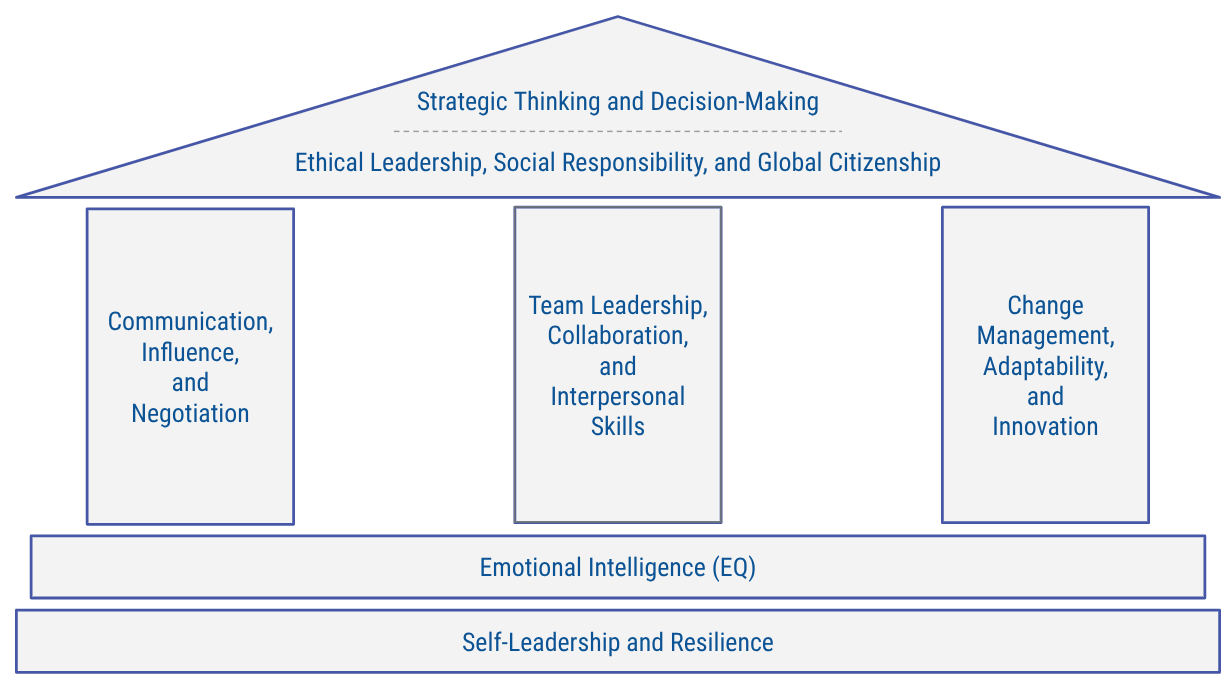
A modern leadership paradigm built upon seven interconnected frameworks, rising from self-governance to systemic impact.

The 7C Temple Diagram

Self-Governance

The Foundation

  • Self-Leadership & Resilience: Establishing the "Even Mind".
  • Emotional Intelligence (EQ): Mastering internal regulation.

Interpersonal Execution

The Pillars

  • Communication & Influence: Translating clarity to alignment.
  • Team Leadership: Building "Superteams" via safety.
  • Change Management: Navigating organizational inertia.

Systemic Apex

The Pediment

  • Strategic Thinking: Steering through complex bets.
  • Ethical Leadership: Ensuring long-term stewardship.

Application Environment

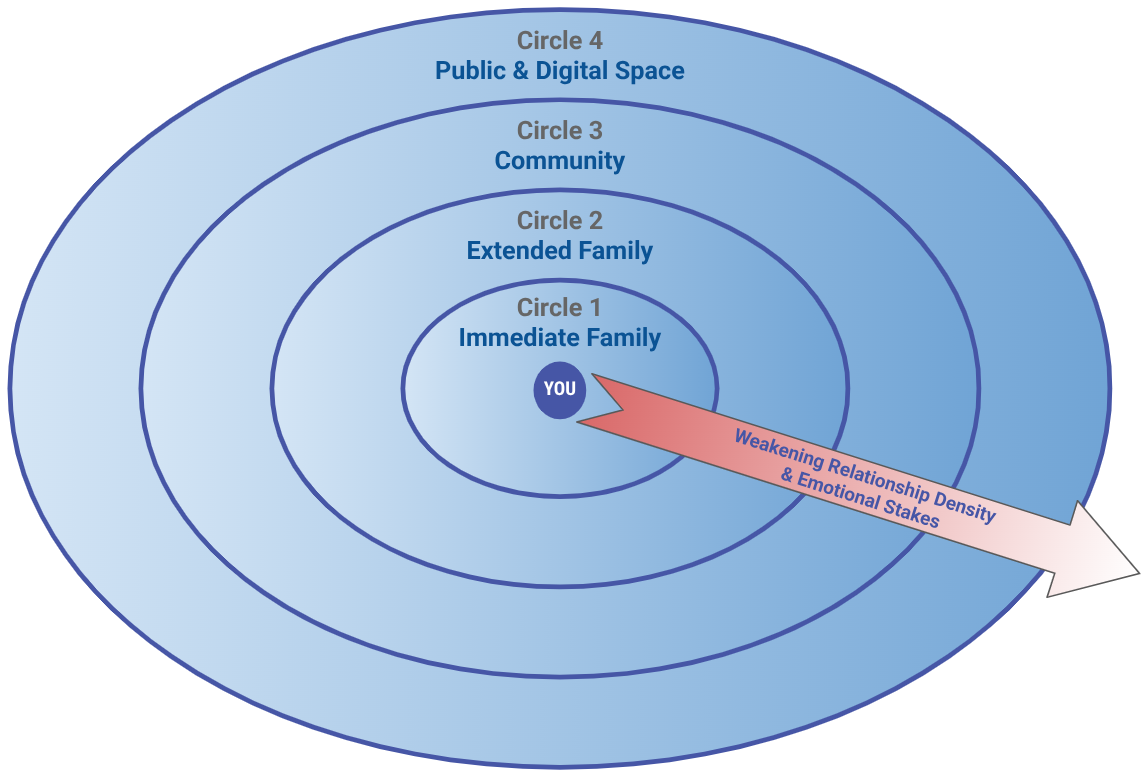
The Four Circles of Friction

Deploying leadership toolsets across four concentric circles of human interaction, mapping the transition from high emotional stakes to zero-trust environments.

4 Circles of Friction Diagram
01.

Immediate Family

Navigating high emotional stakes and vulnerability. The primary objective is quality and depth of connection through rigorous internal regulation.

02.

Extended Ties

Managing deep history and de-escalating long-standing social patterns. Requires the active deployment of diplomacy and empathy.

03.

Community

Resolving conflicts and aligning diverse interests. Relies heavily on fostering a shared sense of collective problem-solving.

04.

Public & Digital

Maintaining integrity in anonymous or transient spaces where zero safety net of prior relationship exists.

Self Assessment

Leadership Baseline Diagnostic

Select how frequently you demonstrate these core behaviors to calculate your structural leadership score.

I.

Authentic Self-Awareness

I deeply understand my own emotions, strengths, weaknesses, and how they impact others.

II.

Self-Regulation

I am able to separate my instinctual emotional state from a situation's objective needs.

III.

Effective Communication

I communicate my position clearly while using Active Listening to ensure the other party feels heard.

IV.

Adaptability and Agility

When new data arrives, I quickly cycle through the OODA Loop, abandoning outdated methodologies.

V.

Ethical Decision-Making

I consistently choose the "hard right" over the "easy wrong," maintaining my Individual Integrity.

Alex J. Couture

About the Author

Alex J. Couture

"I used to think leadership and a management title were basically synonyms... I quickly learned that this was not the case."

The problem with failing as a manager is the negative impact your behavior has on those you are supposed to be helping. It took years to digest and incorporate all the development areas necessary to transition from a title-holder to an actual leader.

"If I had to summarize it concisely, I would say that all a leader is, is a person who strives to be slightly better today than they were yesterday."